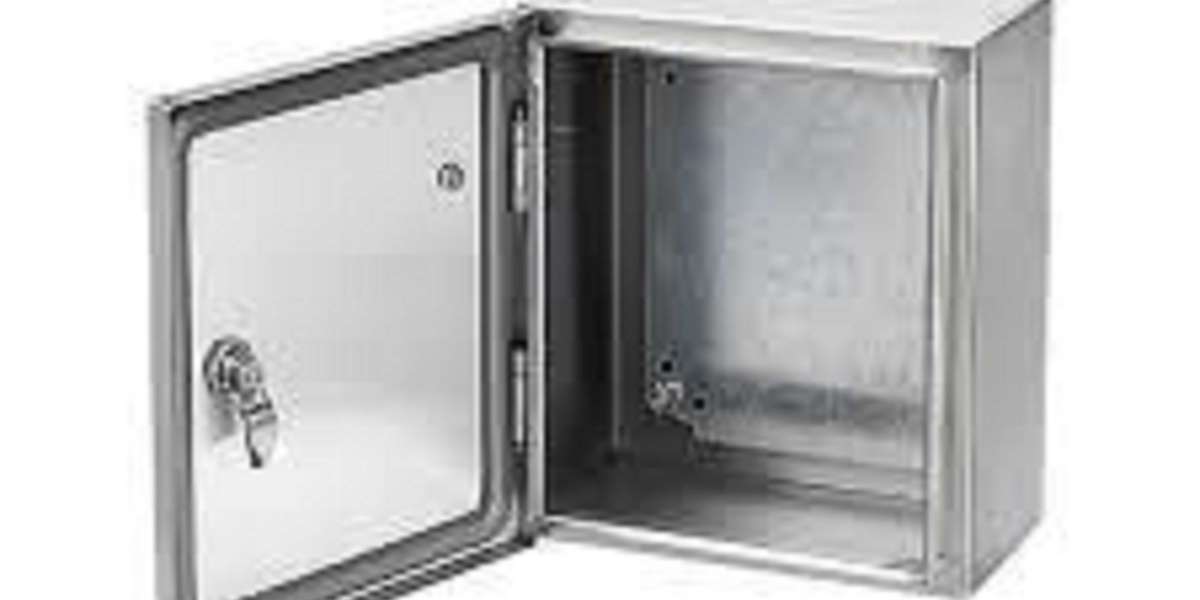

Manufacturers and site engineers often face difficult choices when specifying power interfaces for heavy equipment; the Industrial Plug Socket Connector commonly serves as the rugged link between fixed supply and mobile loads, and selecting the correct device early prevents mismatches and costly failures, so the Industrial Plug Socket Connector should be chosen with attention to rating, environment, and maintenance needs. This piece explains why selection matters and how design choices influence uptime, safety, and total cost of ownership for demanding industrial applications.
Design and contact materials
A connector’s core performance begins with its contacts and housing materials. Copper-alloy contacts plated with silver or nickel provide low resistance and good wear characteristics; heavy-duty machined contacts resist deformation under repeated mating cycles. Housings use impact-resistant polymers or corrosion-resistant metals depending on exposure. Insulation materials must resist tracking and thermal degradation; in high-temperature or chemically aggressive environments, look for elevated temperature ratings and tested aging performance.
Sealing and environmental protection
Ingress protection determines whether a connector survives dust, water jets, or temporary immersion. Properly engineered gaskets, O-rings, and cable entry seals preserve the internal environment and maintain dielectric performance. IP66/67-rated designs are common for outdoor use where washdown or heavy rainfall is expected; IP68 or higher may be required for continuous submersion. Consider corrosion-resistant finishes and stainless fasteners for coastal or chemical-plant installations to avoid mechanical seizure and contact loss.
Cable retention and strain relief
Long-term reliability depends not only on electrical contacts but also on mechanical retention. Robust strain-relief mechanisms prevent conductor movement, which otherwise stresses terminations and can cause intermittent faults. Look for designs that offer multiple cable clamp positions, vibration-resistant fasteners, and a clear route for conductors to avoid sharp bends. In mobile or vibrating environments, a secondary retention feature (for example, a captive lock or clamp) reduces maintenance frequency.
Installation, testing and certification (NANTE)
Ease of installation reduces field errors and speeds commissioning. Connectors with clear torque specifications, captive screws, and accessible termination points reduce the likelihood of loose joints. Factory test data—such as endurance cycles, contact resistance, and dielectric testing—should be available to validate performance claims. Compliance with relevant standards (IEC, UL, or local codes) provides procurement confidence and ensures the product fits into documented electrical safety regimes.
Thermal management and load considerations
Electrical heating at contacts and conductors is inevitable; adequate contact area, proper conductor sizing, and ventilation strategies mitigate temperature rise. For high-current applications, seek connectors with thermal derating curves and recommended torque values that minimize resistance. When connectors are part of an assembly exposed to sunlight or radiant heat, reflective housings or strategic placement reduce steady-state temperature. Plan for short-duration overloads and ensure that protective devices (fuses, breakers) match both conductor and connector ratings.
Locking mechanisms and safety interlocks
Mechanical latching or screw-lock designs maintain contact integrity under shock and vibration. Interlocks that prevent live mating or force disconnect under load increase operator safety. Visible indicators that confirm full engagement reduce human error during connection procedures. For critical services, choose connectors that allow for padlocks or tamper detection to secure vital power feeds against accidental or malicious disconnection.
Modularity, spare parts, and field repairability
Field-replaceable modules and standardized contact inserts simplify repairs and reduce downtime. Using families of connectors with common mounting dimensions lets users stock fewer spares. When specifying, confirm availability of replacement seals, contact kits, and accessory options like dust caps or mating adapters. Designs that permit contact replacement without replacing the entire body are economical over the product lifecycle.
Lifecycle planning and maintenance best practices
Routine inspections—checking torque values, seal condition, and signs of corrosion—catch issues before failure. Maintain an inventory of genuine spares and a log of mating cycles for high-use connections. Where possible, implement scheduled swapping of heavily used connectors to even out wear and avoid unexpected outages. Good documentation of installed torque values, cable sizes, and environmental exposure aids future teams during troubleshooting.
Application-specific considerations
Certain industries impose special demands: food processing requires washdown-capable designs; mining demands extreme impact resistance; marine applications emphasize corrosion resistance and cathodic compatibility. Always tailor the connector family to the dominant stresses of the site rather than selecting the highest-rated general-purpose device, which may be over-specified and unnecessarily costly.
Specifying the right industrial plug means balancing electrical performance, mechanical robustness, environmental resistance, and maintainability. Careful selection reduces failure rates, simplifies service, and optimizes lifecycle cost. For technical reference materials, factory test reports, and application notes specific to connector selection and use, visit: https://www.nante.com/news/industry-news/what-is-industrial-plug.html