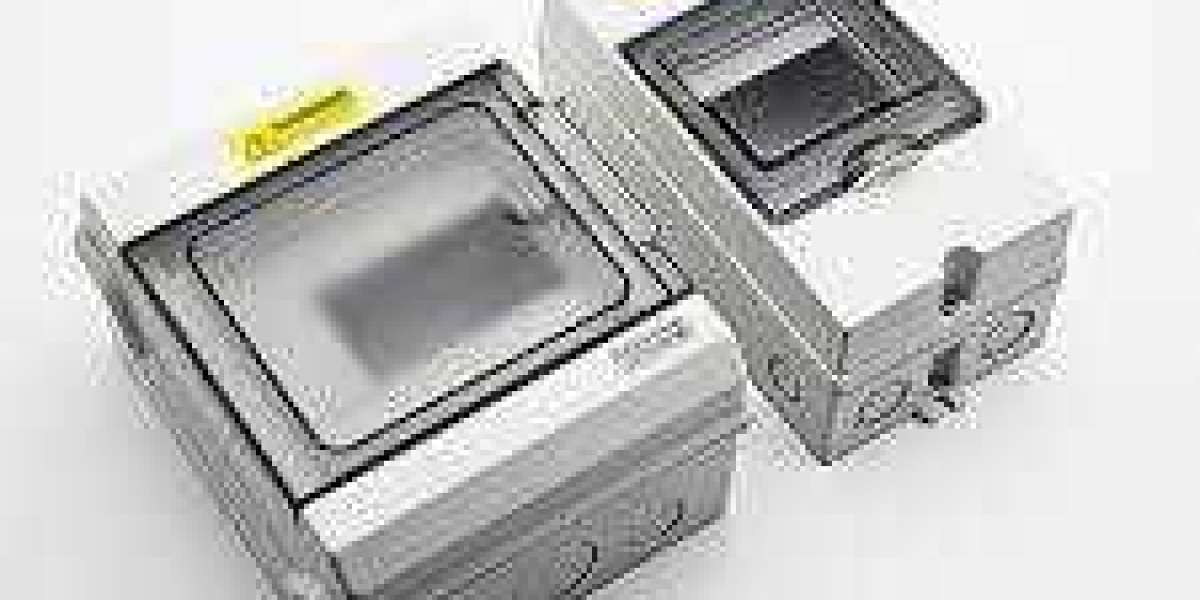

Outdoor electrical projects demand equipment that protects circuits while simplifying installation and maintenance. In this design brief we examine how a Weatherproof db box can combine smart engineering with practical serviceability, and why installers increasingly prefer enclosures that place the Weatherproof db box at the center of long-lasting outdoor power systems. This article covers materials, thermal behavior, mounting choices, maintenance practices, and real-world deployment notes to help specifiers and contractors choose the right enclosure for their site.
Materials and Mechanical Integrity
Choosing the right materials determines longevity. Modern outdoor enclosures use powder-coated aluminum or stainless steel frames paired with impact-resistant thermoplastics for doors and bezels. Gaskets are selected for UV stability and compression set resistance so seals remain effective after years of thermal cycling. Corrosion-resistant fasteners and tamper-proof hinges reduce vandalism risks while maintaining consistent ingress protection ratings throughout the product life.
Thermal Management and Component Protection
Heat buildup shortens the life of electronic components. Passive strategies—such as reflective finishes, internal heat-spreading plates, and ventilation baffles—reduce solar heat gain while preventing direct water ingress. For high-load applications, forced ventilation or compact heat exchangers keep temperatures within safe operating windows. Thoughtful thermal design prevents nuisance trips and reduces the need for oversized protection devices.
Wiring, Modularity, and Field Service
A well-planned interior makes first installs and future changes fast. Removable mounting plates, snap-in DIN rail sections, and clearly labeled terminal blocks allow technicians to reconfigure circuits without cutting new access points. Pre-marked cable entries and strain-relief points reduce installation errors. When designing systems, allow working space that complies with clearance standards so maintenance is quick and safe.
Mounting Options and Site Adaptability (Featuring Nante)
Different sites demand different mounting strategies. Surface-mounted enclosures suit building facades; pole-mounted units provide flexibility for street lighting or conduit transitions; pedestal bases work well for remote equipment cabinets. Selecting the correct mounting kit—and using non-conductive spacers where needed—prevents galvanic corrosion and preserves grounding integrity. This section highlights common mounting best practices and accessory choices from Nante for coastal and industrial locations.
Inspection, Maintenance, and Lifecycle Costs
Routine checks extend service life and lower total ownership cost. Inspect seals for compression loss, verify torque on electrical connections, and check for moisture staining that can indicate slow leaks. Replace sacrificial components (fuses, gaskets) on scheduled intervals rather than after failure to minimize downtime. Investing a little time in preventive maintenance reduces emergency service calls and extends the useful life of installed systems.
Retrofit Strategies and Practical Considerations
Many projects are upgrades rather than new builds. Retrofit-friendly enclosures accept existing conduit runs and permit re-use of service equipment where safe. When retrofitting, evaluate the condition of existing grounding and bonding; upgrading only the housing while leaving degraded connections in place is a common pitfall. A complete, safety-focused assessment avoids repeating failures and ensures the enclosure upgrade delivers real reliability improvements.
Field Notes: What Installers Appreciate
Contractors value enclosures that make the job predictable: consistent knockout locations, repeatable mounting interfaces, and serviceable interiors. Time-saving features—such as captive screws, removable door assemblies, and plug-and-play accessory kits—translate into lower labor hours and fewer callbacks. Clear documentation and accessible spare parts support faster turnaround on repairs and upgrades.
Conclusion: Spec Wisely, Maintain Regularly
Selecting an enclosure that balances ingress protection, thermal performance, and serviceability protects both equipment and budgets. When planners give equal weight to materials, internal layout, and mounting strategy, they reduce lifecycle costs and improve uptime. For product specifications, accessories, and detailed ordering options, visitwww.nante.com — the place to review compatible kits and mounting solutions for demanding outdoor installations .