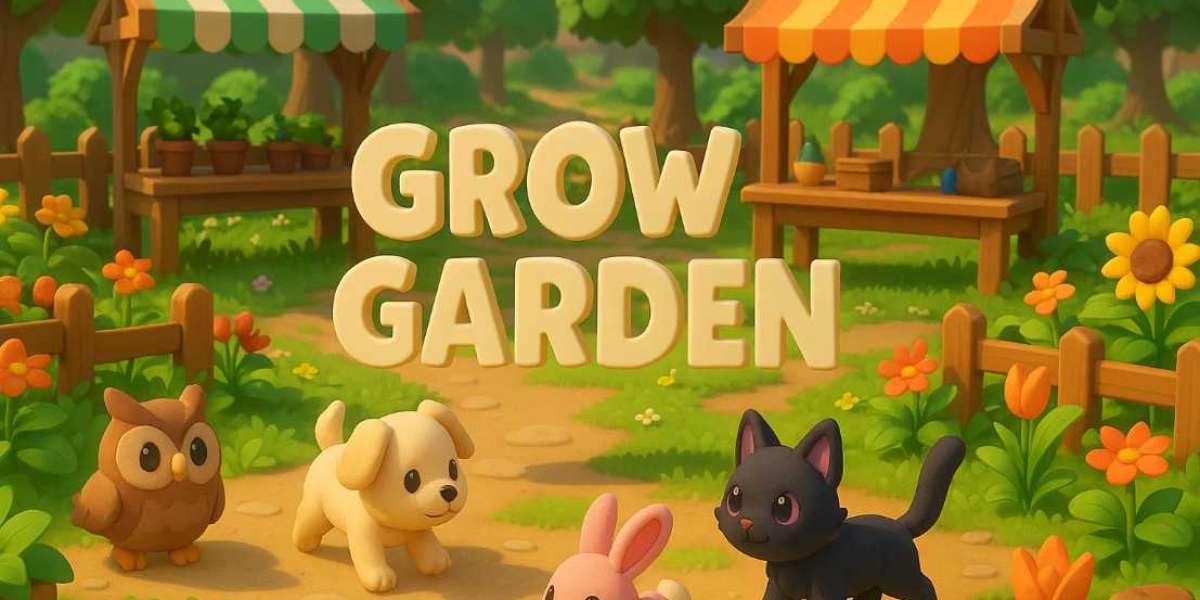

If you’ve spent any time in Grow A Garden’s trading circles, you know that rare pet deals can feel surprisingly intense. Even though it’s a light, colorful game, the trading scene has its own rhythms, strategies, and emotional patterns. Understanding why players behave the way they do can help you make smarter trades, avoid unnecessary stress, and enjoy collecting more. Here’s a breakdown of the psychology behind rare pet trading, based on what many players (myself included) have observed over time.
Why Rare Pets Trigger Such Strong Reactions
One thing that makes rare pets feel so special is how the game combines scarcity with gradual progression. When you finally grow a pet you’ve been working toward for days, it’s natural to feel attached. That emotional bond is part of why trading community dynamics matter so much.
There’s also the thrill of the hunt. Many players chase rare Grow A Garden pets because the process feels rewarding. You’re not just gathering items; you’re chasing small victories that build up over time. This makes certain trades feel more personal than logical, especially when both sides have different ideas about what “fair value” looks like.
How Perceived Value Shapes Trading Decisions
The interesting thing about rare pet trading is that value is only partly based on actual rarity. A huge part of it comes from what players think other players think. This chain reaction can make pets rise or fall in value unpredictably. Traders often say they’re just following demand, but in reality, they’re following emotion-driven cues from the community.
During peak trading hours, it’s easy to get caught up in the excitement. A pet you ignored yesterday might suddenly feel important because you see several players asking for it at once. I’ve made that mistake a few times, only to realize later that the trend faded as quickly as it appeared.
To keep a clear head, I try to ask myself a simple question before trading: Do I actually want this pet, or am I reacting to the crowd?
The Role of Anchoring and Comparison
Anchoring happens when the first price or offer you see shapes your expectations for future trades. For example, if your first encounter with a rare pet is someone offering multiple legendaries for it, you might automatically assume it’s extremely valuable. But maybe that offer was an outlier, or maybe the other player just really wanted it for their collection.
Comparison also plays a big role. You might decide that something is “worth less” just because another pet looks cooler or is talked about more. These are normal psychological shortcuts, but they can lead to rushed decisions you regret later.
That’s why it helps to step back, check multiple trade posts, and see what the broader community is doing rather than relying on one surprising interaction.
Emotional Momentum and Overtrading
A lot of players get swept up in what I like to call emotional momentum. Maybe you had a great trade earlier, and now your confidence is high. Or maybe you’ve been unlucky all day and feel pressured to pull off a “comeback trade.” Both situations can push you into offering more than you originally planned.
This is where it helps to have personal guidelines. I like setting soft limits for myself, such as not accepting or offering a trade if I feel even slightly unsure. That one pause has saved me from overpaying more times than I can count.
In one of my earlier trading sessions, I jumped into back-to-back deals just because I saw high activity. When I reviewed my trades later, half of them didn’t match my real goals at all. It was a good reminder that energy and urgency can cloud judgment.
Avoiding the Illusion of “Guaranteed Wins”
Many players, especially newer ones, fall into the trap of expecting every trade to be profitable. But trading rare pets isn’t a perfect science. Trends shift, new pets arrive, and patches change what players are excited about.
Occasionally, you’ll see people talk about strategies that seem foolproof. I once tried something similar, hoping to do a no-risk purchase Grow A Garden pets experiment, just to see how consistent the outcomes would be. The results reminded me that even the low-risk options still depend on timing, demand, and luck.
It’s better to think of trading as a long-term learning process rather than a series of guaranteed wins. You get better by observing patterns, improving negotiation skills, and understanding what other players value most.
Trust, Reputation, and Social Pressure
Another big psychological factor is social reputation. In active trading spaces, players remember who is fair, who overcharges, and who tends to decline at the last second. Even though we’re all strangers online, reputation adds a surprising amount of weight to interactions.
Social pressure also comes into play. Sometimes people feel rushed to make a deal because the other player is waiting. Other times, players don’t want to disappoint someone they’ve chatted with for a while. I’ve definitely felt that nudge to accept a trade quicker than I meant to just because the conversation was friendly.
To avoid that, remind yourself that it’s okay to say no. A polite decline is better than a trade you’ll regret later.
Economic Influencers Behind the Scenes
Although Grow A Garden’s trading system feels community-driven, there are still outside influences shaping prices. Discussion communities, fan sites, and even commercial marketplaces like U4GM can affect how players think about rarity or demand. Even if you’re not buying anything, seeing these external price references can subtly shift your perception of a pet's value.
I sometimes check these spaces not to copy their valuations, but to understand broader sentiment. It helps me notice when something is rising in popularity or starting to fade before it shows up clearly in in-game trading.
Building a Healthy Trading Mindset
In the end, the best way to navigate rare pet trading is to approach it with balance. Enjoy the thrill, but don’t let it take over your decisions. Learn from trends, but don’t follow every wave. Pay attention to players’ reactions, but don’t feel pressured to agree with everyone.
A mindset I find helpful is focusing on long-term enjoyment rather than quick wins. Collect the pets that genuinely make you happy or fit your goals. Trade at your own pace. And always remember that rare pets are supposed to enhance your fun, not stress you out.
Once you understand the psychological forces behind trading, you’ll start recognizing patterns more easily. And when you do, negotiating smarter and staying calm becomes much more natural.
Read This First: Full Flower Plant List – Grow a Garden Roblox