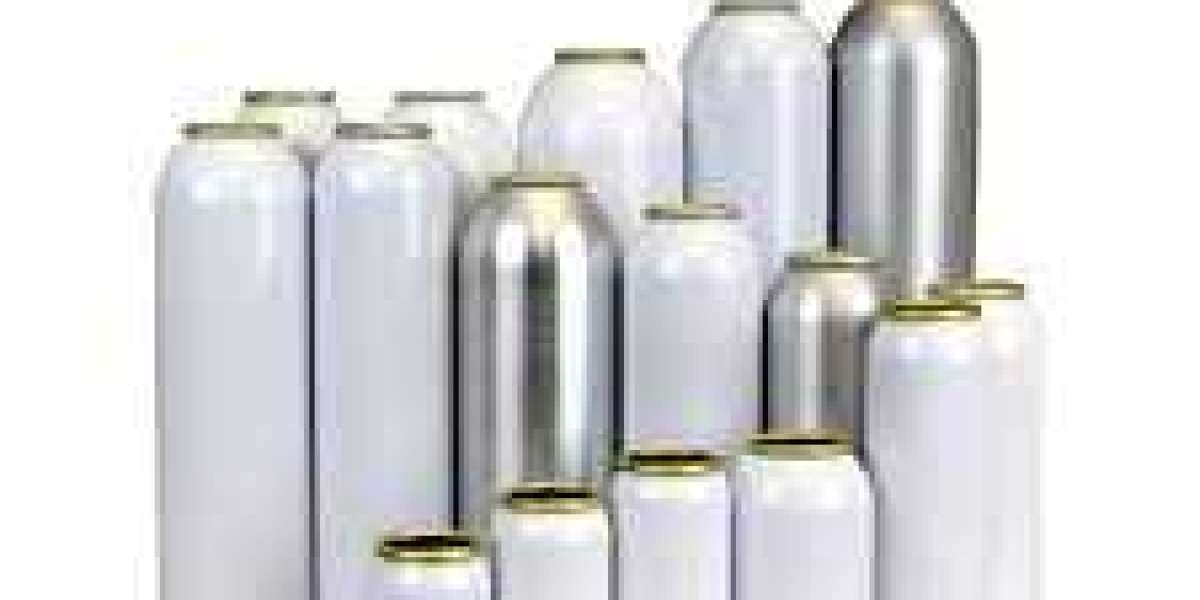

Attention to safety features matters when you choose containers that will hold pressurized spray. A Two-Piece Aerosol Can should combine strong construction with user focused features so that routine tasks stay calm and predictable. Knowing what to look for helps citizens and professionals alike make safer choices when products are handled in everyday settings.
Start with valve integrity. A secure valve that resists accidental movement reduces the chance of unintended discharge. Smooth threads and a snug connection between valve and body make assembly and use less prone to leaks. Inspect visually for signs of weak seams or surface damage before bringing a unit into a workplace or a community event.
Cap design is more than cosmetic. A cap that stays in place during handling and transport prevents dust from entering and shields the actuator from bumps. Some caps feature a locking function or require a deliberate action to open which is helpful around children or crowded areas. A well fitting cap also keeps the nozzle clean and minimizes misfires when a user is in a hurry.
Nozzle shape and actuator response affect control. A clearly marked orientation or an indentation that matches finger placement helps users aim sprays deliberately. A measured response when the actuator is pressed gives more control over output so the user can avoid overspray on unintended surfaces. Ergonomic touches reduce user fatigue during repetitive tasks.
Material choice and surface finish show up over time. Corrosion resistant metals and robust internal linings lower the risk that tanks will weaken when exposed to humidity or cleaning agents. A finish that resists abrasion helps preserve markings and labels that convey safety guidance. Hold units and feel for thin spots or rough areas as part of a quick inspection routine.
Labels and markings provide essential guidance. Clear instructions about direction of use venting and storage warnings support safe handling by users who may not have training. Symbols and pictograms that indicate pressure or flammability help workers and event staff make rapid, informed choices about placement and removal from public spaces.
Tamper evidence and traceability add another layer. Visible seals or removable tabs that show if a container has been opened provide reassurance in shared environments. Batch codes or simple identifiers on caps and bottoms allow teams to track units during distribution or recall processes without undue effort.
Designers also think about storage and stacking. Stable bases reduce the chance that units will tip when stored in bins or moved in carts. Protective collars around the valve area help keep delicate parts from being crushed when items are handled roughly. Small structural choices like these cut down on accidental damage that can lead to leaks.
Finally, user education pairs with design. A clear short checklist that staff can follow before and after use increases the odds that features will be used as intended. Check the valve fit the cap seating and the clarity of warning labels. If anything seems worn or altered take the container out of circulation.
Safety in handling pressurized sprays depends on a chain of small choices. By focusing on valves caps nozzles materials labels and simple inspection routines users can lower risk and keep shared spaces safer. Thoughtful selection and routine checks keep operations predictable and avoid surprises when handling these products. https://www.bluefirecans.com/product/ .