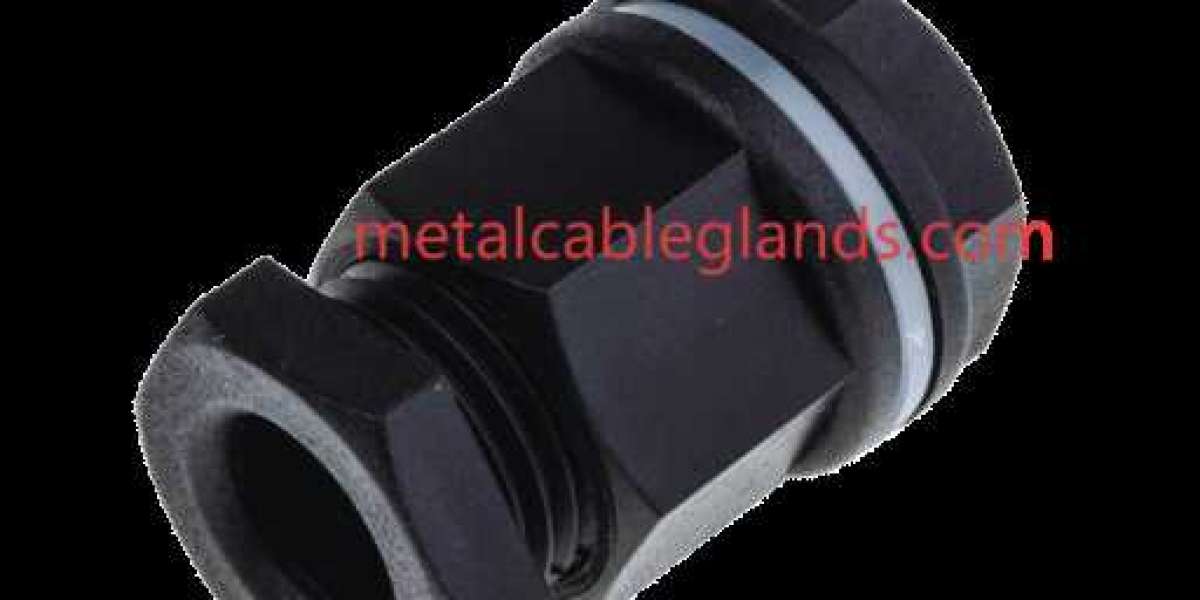

In the rapidly evolving landscape of telecommunications, where seamless connectivity is paramount, the integration of robust components like the Plastic Cable Gland plays a crucial role in ensuring reliable equipment deployment. As telecom networks expand to meet the demands of 5G and beyond, engineers increasingly rely on these glands to secure cables against environmental hazards, maintaining signal integrity across vast infrastructures. Zhejiang Hongjuesi Connector, a leading manufacturer in this domain, has been at the forefront of providing innovative solutions that address the unique challenges faced in telecom setups.
Telecom equipment deployment often involves installing base stations, fiber optic cables, and antennas in diverse locations, from urban rooftops to remote rural areas. Here, the Plastic Cable Gland serves as a vital sealing mechanism, preventing moisture, dust, and vibrations from compromising cable connections. For instance, in high-density urban environments, where equipment is exposed to constant electromagnetic interference and weather fluctuations, these glands offer IP-rated protection that safeguards sensitive optical fibers. By threading cables through these glands and tightening them with precision, installers can achieve a watertight seal that extends the lifespan of the equipment, reducing downtime and maintenance costs.
Moreover, in the context of telecom upgrades, such as transitioning to hybrid fiber-coaxial networks, the flexibility of plastic materials allows for easier handling during on-site installations. Unlike metal alternatives, plastic variants from Zhejiang Hongjuesi Connector are lightweight yet durable, resisting corrosion in coastal or humid regions where salt-laden air could otherwise degrade connections. This adaptability is particularly beneficial for mobile network operators deploying small cell technology, where quick setup is essential to cover signal dead zones without extensive tooling.
Shifting focus to renewable energy projects, plastic cable glands find extensive application in solar and wind farm installations. In solar photovoltaic systems, cables connecting panels to inverters must withstand extreme temperature variations and UV exposure. The glands ensure that these connections remain secure, minimizing energy loss due to faulty wiring. For example, in large-scale solar farms spanning arid deserts, the non-conductive properties of plastic prevent short circuits, while their strain relief features protect against wind-induced cable pulls.
Wind energy projects, often located offshore or in high-wind onshore sites, present even more demanding conditions. Here, the Plastic Cable Gland acts as a barrier against saltwater ingress and mechanical stress from turbine vibrations. Zhejiang Hongjuesi Connector's designs incorporate advanced polymers that comply with international standards like UL and RoHS, ensuring environmental compliance alongside performance. This is critical for maintaining the operational efficiency of wind turbines, where any cable failure could halt power generation and lead to significant revenue losses.
In hybrid renewable setups combining solar and wind, integrated control systems rely on networked cabling that traverses varied terrains. Plastic glands facilitate modular connections, allowing for scalable expansions without compromising safety. Their ease of installation reduces labor hours, making them ideal for projects in remote areas where skilled technicians are scarce. Additionally, in energy storage solutions like battery farms linked to telecom towers for backup power, these glands secure high-voltage cables, preventing arcs and ensuring reliable power supply during outages.
The synergy between telecom and renewables is evident in smart grid implementations, where IoT devices monitor energy flow. Plastic cable glands protect sensor cables from environmental wear, enabling real-time data transmission that optimizes energy distribution. Zhejiang Hongjuesi Connector emphasizes customization, offering glands in various sizes to fit different cable diameters, which is invaluable for integrated projects where telecom infrastructure supports renewable monitoring.
Furthermore, in emerging markets, cost-effective deployment is key. Plastic options provide an economical alternative without sacrificing quality, allowing project managers to allocate budgets toward advanced tech like AI-driven network management. Their recyclability aligns with sustainability goals, reducing the carbon footprint of both telecom and renewable initiatives.
As projects scale globally, compliance with regional regulations becomes imperative. Glands from reputable sources ensure adherence to standards, avoiding costly rework. In earthquake-prone areas, their flexibility absorbs shocks, preserving connections in critical infrastructure.
For those seeking high-quality plastic cable glands tailored to telecom and renewable needs, exploring options from established providers is recommended. Visit https://www.metalcableglands.com to discover a range of products from Zhejiang Hongjuesi Connector that can elevate your project outcomes.